A job interview is the moment where preparation turns into opportunity. Most candidates who fail UK interviews do so not because they lack ability, but because they arrive without a clear plan. Follow these job interview tips for the UK and you will walk in with the confidence that comes from genuine readiness.
You will stay on our site
This guide covers everything you need for a successful UK job interview in 2026 — from the research you should do beforehand to the questions most employers ask and the practical steps that make a strong first impression on the day.
These tips apply to entry-level roles at supermarkets, fast food chains, warehouses, retail and hospitality — the most common interview settings for first-time jobseekers in the UK.
Before the Interview: Preparation That Makes a Difference
The outcome of most UK job interviews depends more on what you do before the interview than on what happens during it. Strong preparation turns anxiety into confidence.
Research the employer
Spend 20 minutes on the employer’s website before any interview. Find out: how many locations they have, what their values are, what they sell or do, and any recent news about the company.
Recruiters ask “What do you know about us?” in almost every entry-level interview. Candidates who answer with specific, accurate information make a noticeably stronger impression than those who give vague or generic answers.
Re-read the job advert
Print or save the job advert and read it again the day before your interview. Note the specific skills and qualities the employer listed. Prepare one or two examples from your life that demonstrate each of them.
You will stay on our site
Recruiters shortlisted you because your application matched their requirements. The interview gives you the chance to prove those requirements were accurate.
The National Careers Service interview advice page covers additional preparation steps and how to handle different interview formats.”
Prepare your answers to the most common questions
UK entry-level interviews follow a predictable pattern. The questions below appear in the vast majority of first-round interviews. Prepare a specific, honest answer to each one before you arrive.
The Most Common UK Job Interview Questions and How to Answer Them
These are the job interview questions UK employers ask most frequently at entry level. For each one, we give you the question, what the recruiter really wants to know and how to structure your answer.
“Tell me about yourself.”
This is not an invitation to tell your life story. The recruiter wants a 60-second summary that connects who you are to why you want this job. Structure your answer in three parts: who you are (one sentence), what you bring (one or two skills or experiences) and what you are looking for (one sentence connecting to this role).
Keep it conversational. Memorising a scripted answer sounds rehearsed and puts recruiters off. Prepare the structure, not the exact words.
You will stay on our site
“Why do you want to work here?”
This is where your research pays off. Mention something specific about the company — a value they promote, their reputation for training, their standing as a living wage employer or something you read on their website. Generic answers like “because I like the brand” score poorly.
Honest specificity always outperforms flattery. Saying “I applied because I live two minutes away and I know Lidl has a reputation for paying above the minimum wage” is more persuasive than “I’ve always loved shopping here.”
“What are your strengths?”
Name two or three genuine strengths and give a brief, specific example of each one. “I am reliable — I have never missed a commitment to a sports team or volunteer group” is far stronger than “I am a hard worker.”
Strengths recruiters value most in entry-level roles: reliability, a positive attitude, willingness to learn, teamwork and good communication. Frame yours around what the job requires.
“What is your biggest weakness?”
The recruiter knows you have weaknesses. They want to see self-awareness and a growth mindset — not a false modesty answer like “I work too hard.” Choose a genuine, minor weakness and follow it immediately with what you do to manage it.
Example: “I sometimes find it hard to ask for help when I am struggling. But I have been working on this — I now try to flag issues early rather than waiting until they become a problem.”
“Tell me about a time you worked in a team.”
Use the STAR method to structure this answer: Situation, Task, Action, Result. Describe a specific situation, explain your role, describe what you did and share the outcome. Keep it under 90 seconds.
The National Careers Service provides worked examples using the STAR method that are worth reviewing before your interview.
The situation does not need to come from a paid job. School projects, sports teams, volunteer work and family responsibilities all count. Recruiters care about what the experience demonstrates, not where it happened.
“How do you handle pressure or a busy shift?”
Give a specific example. Describe a time you faced competing demands and explain how you prioritised, stayed calm and got through it. If you have no relevant example, describe how you would handle it and why you believe you would cope well based on your personality or approach.
“Where do you see yourself in one to two years?”
Entry-level employers want people who plan to stay and grow. Avoid answers that suggest you see the role as purely temporary. A good answer: “I would like to establish myself in this role, get fully trained and then start working towards a team leader or shift supervisor position.”
What to Wear to a UK Entry-Level Job Interview
UK entry-level interviews do not require a formal suit. Smart casual is the right level for most retail, hospitality and logistics interviews in 2026.
Smart casual means: clean, pressed clothes in neutral colours. No trainers, no sportswear, no visible logos. Men: chinos or dark trousers, a plain shirt or polo. Women: tailored trousers or a smart skirt, a blouse or plain top.
When in doubt, dress one level above what the job requires. A warehouse role does not demand office dress — but turning up in a clean, smart outfit signals that you take the opportunity seriously.
On the Day: Practical Tips for UK Job Interviews
The practical details matter as much as your answers. These are the things that most interviewers notice — and most candidates underestimate.
- Arrive five to ten minutes early. Not one minute before. Not ten minutes before. Five to ten. Arriving too early creates awkwardness; arriving late disqualifies you in most cases.
- Switch your phone to silent before you enter the building. A phone that rings or vibrates during an interview costs you the job in seconds.
- Bring a copy of your CV. Interviewers appreciate candidates who come prepared, even if the interviewer already has a copy on screen.
- Make eye contact and smile naturally. Interviewers decide within the first two minutes whether they want to hire you. Non-verbal communication drives that decision.
- Wait for the interviewer to finish speaking before you answer. Interrupting — even enthusiastically — reads as poor listening skills, which is fatal in customer-facing roles.
- Ask one or two questions at the end. Good questions to ask: What does a typical first week look like? What training will I receive? What do successful people in this role have in common?
After the Interview: What to Do Next
Most UK entry-level employers give a decision within one to five working days. If you have not heard back after five days, one brief follow-up email or phone call is appropriate.
If you do not get the role, ask for feedback. Many employers give it. Applying the feedback to your next interview is the fastest route to improvement.
Do not wait for one outcome before applying elsewhere. Keep sending applications while you wait. Experienced job seekers treat interviews as a numbers game — the more you do, the sharper your performance becomes.
Interview Tips Specific to UK Supermarket and Retail Roles
Supermarket and retail interviews in the UK usually follow a simple and predictable format. Most employers begin with an online application form, followed by a short phone interview or an in-person meeting with a store manager, supervisor or member of the management team.
The process is normally designed to assess your attitude, communication skills and reliability rather than academic qualifications or extensive work experience.
Interview questions often focus on customer service, teamwork, flexibility and how you handle busy situations. Employers may ask how you would respond to an unhappy customer, what you would do during a stressful shift or how you work as part of a team.
Preparing clear examples before the interview can help you answer with more confidence and sound more professional.
Even examples from school, volunteering, sports teams or personal responsibilities can be useful if you do not have previous job experience.
Punctuality and presentation are extremely important in UK retail interviews. Arrive early, dress neatly and maintain positive body language throughout the conversation.
Managers pay close attention to friendliness, eye contact and enthusiasm because supermarket employees interact with customers constantly during shifts. Showing energy and willingness to learn can make a stronger impression than having previous experience.
Availability is one of the most important factors in the hiring decision. Retail stores often need employees for evenings, weekends, holidays and busy seasonal periods.
Candidates who show flexibility with schedules are usually considered more attractive to employers. When discussing your availability, speak positively and clearly instead of focusing on restrictions.
Recruiters want reassurance that you are dependable, adaptable and ready to support the team during busy periods.
Conclusion
The best job interview tips for the UK come down to one principle: preparation turns nervousness into confidence. Research the employer, know the common questions, prepare honest examples and arrive looking professional and on time.
Most candidates who fail UK interviews do so not because they lack the skills for the job, but because they did not prepare. Give yourself the advantage of showing up ready — and the interview becomes a conversation rather than an ordeal.
Explore more guides to help you land your UK job:
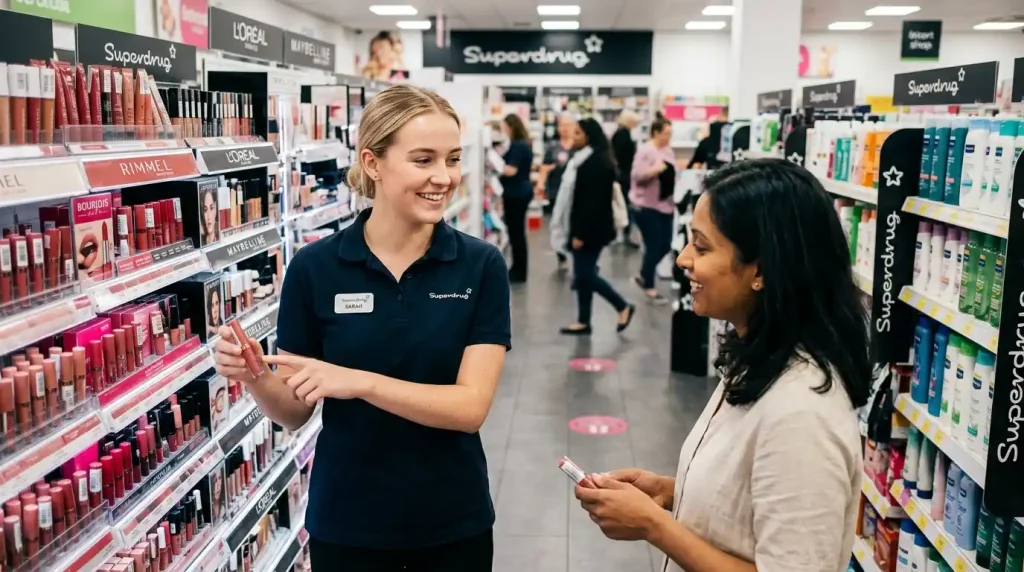
- The Health and Beauty Retail Sector in the UK: How It Works and How to Become a Sales Assistant at Superdrug
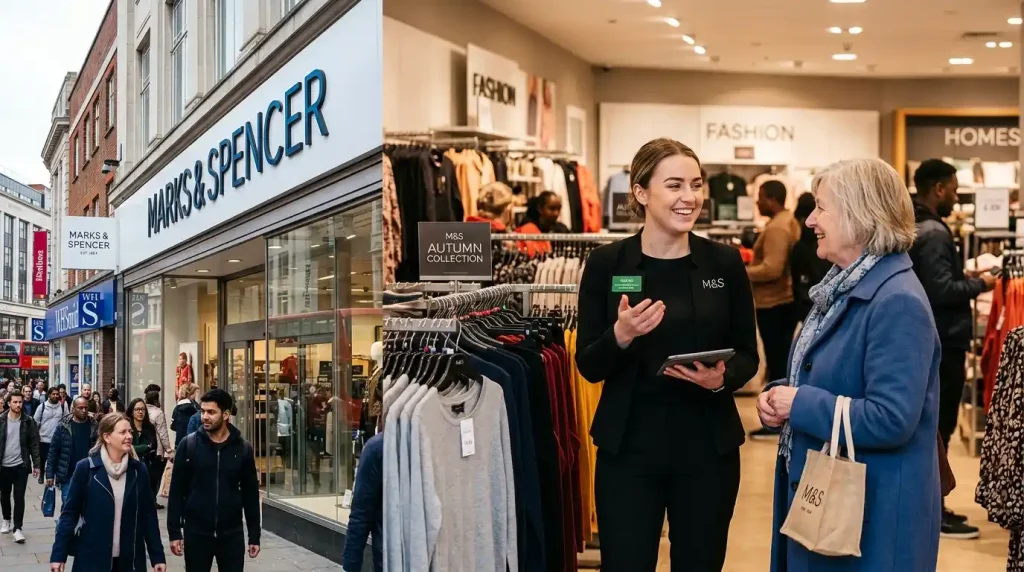
- The High Street Retail Sector in the UK: How It Works and How to Become a Customer Assistant at M&S
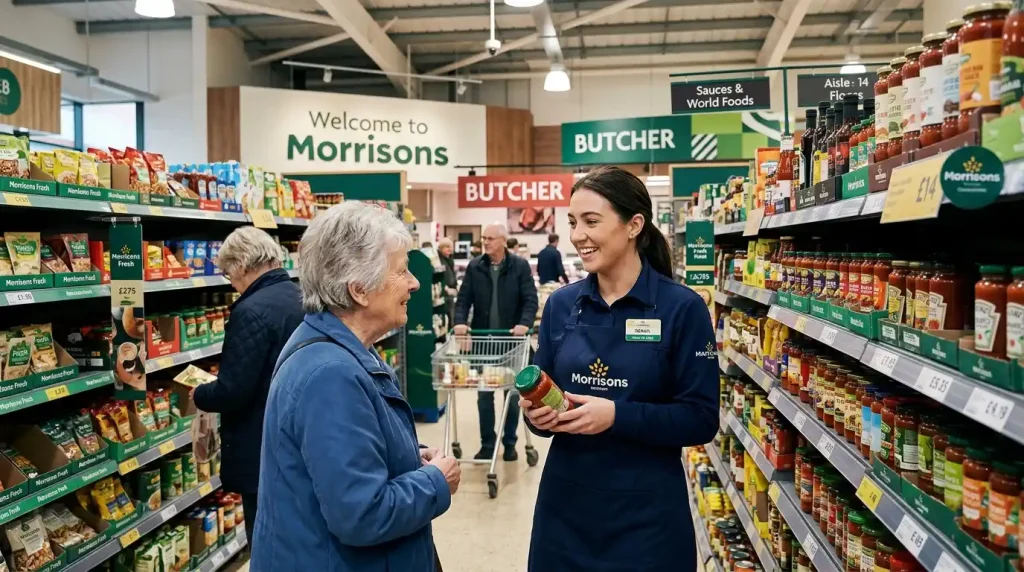
- The Supermarket Sector in the UK: How It Works and How to Become a Customer Assistant at Morrisons
- The Delivery Sector in the UK: How It Works and How to Become a Delivery Assistant at Argos and Sainsbury’s
- The Customer Service Sector in the UK: How It Works and How to Become a Customer Advisor
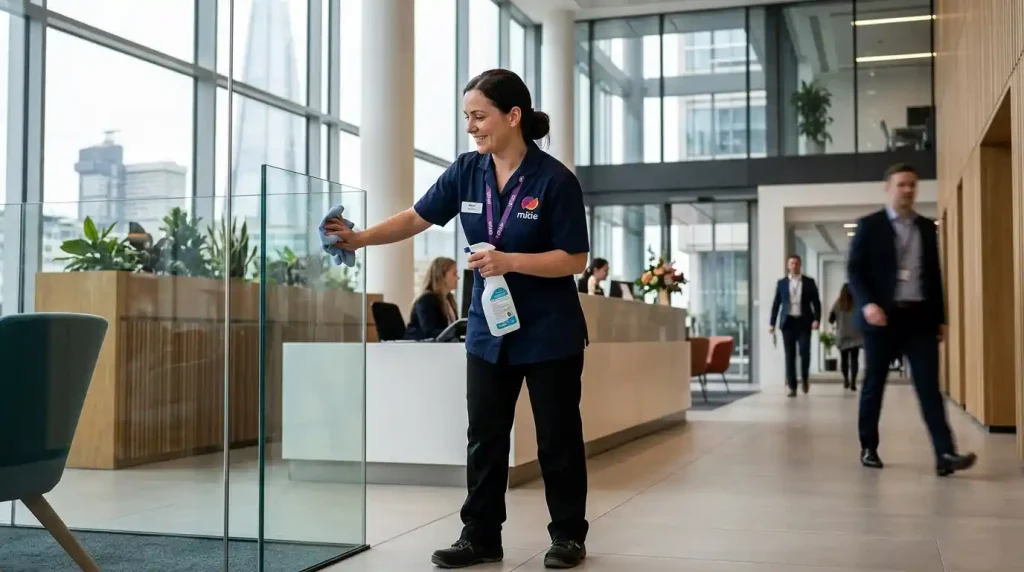
- The Facilities Services Sector in the UK: How It Works and How to Become a Cleaning Assistant at Mitie